
Total Disc Replacement: Synthes® Prodisc-C

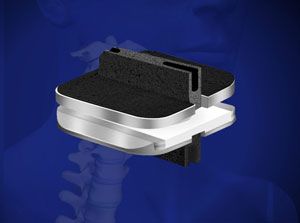
Total disc replacement swaps a damaged or diseased disc in the neck for an artificial disc that restores the spine's natural alignment. A fusion makes the vertebrae above and below the problem disc grow into one bone. An artificial disc instead keeps the spine moving at that level.
Preparation
The patient is given anesthesia and positioned, and the surgeon makes a small incision in the neck to reach the cervical spine.
Clearing the Disc Space
A guide tool called a vertebral body retainer is screwed into the vertebrae. It holds them apart and provides a channel for the other instruments. The surgeon carefully removes the problem disc and prepares the vertebrae's surfaces for the new disc.
Preparing for the Implant
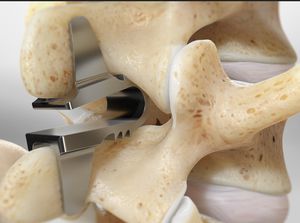
A drill or chisel is used to make small notches, called keel cuts, in the vertebrae.
Placing the Implant
The top and bottom halves of the implant are fitted together and set between the vertebrae.
Securing the Implant
The retainer is removed and the spine is returned to its normal posture. The implant restores proper height and alignment and allows the neck to move in every direction, which may help protect the levels above and below from wearing out.
After Surgery
The incision is closed and bandaged. Patients usually go home after one night in the hospital, though the surgeon decides the length of the stay and guides recovery. Physical therapy may be needed.
Questions about Total Disc Replacement: Synthes® Prodisc-C? Call Dr. Auerbach’s office at (718) 518-5814 or send a message.
This information is for general education and does not replace advice from your doctor.
Printed from https://drauerbach.com/patient-education/total-disc-replacement-synthes-prodisc-c.html
 1:38
1:38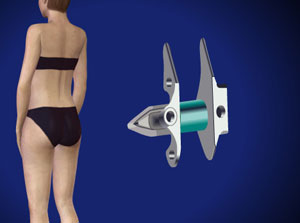 1:53
1:53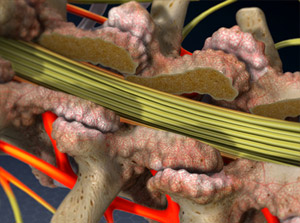 1:50
1:50 1:26
1:26